Micro Entity Status and Cost Savings How to Cut USPTO Fees by Up to 75%
If you're an independent inventor or early-stage founder, USPTO fees can feel scary. The good news? You may not need to pay full price.
By qualifying as a micro entity, you can cut many USPTO fees by up to 75 percent, turning multi-thousand-dollar filings into something much more manageable.
Here's how it works and how to use it to your advantage.
- Micro entity status can reduce many USPTO fees by up to 75 percent.
- It is not automatic: you must certify your status to pay reduced fees.
- Eligibility depends on income, patent history, and assignment limits.
- Fee savings apply beyond the initial filing: later fees can be reduced too.
- Accurate certification matters: it is a legal statement and must be updated if your status changes.
What Is Micro Entity Status?
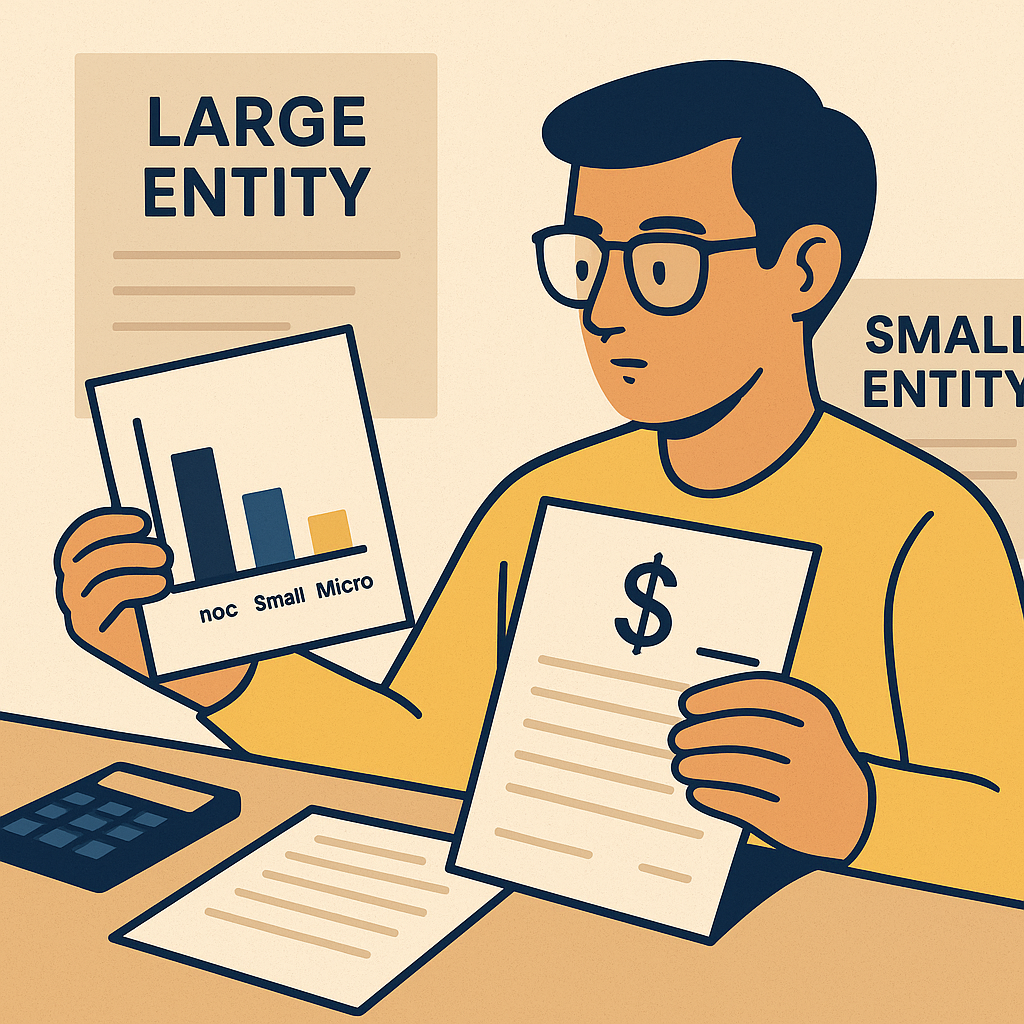
The USPTO has three fee tiers:
- Large entity: full fees.
- Small entity: about a 50 percent reduction.
- Micro entity: about a 75 percent reduction.
If you qualify as a micro entity, you pay the lowest fees across many stages of the patent process (filing, search, examination, maintenance, and more).
For solo inventors, students, and lean startups, this can be the difference between "we'll do this someday" and "we can afford to file now."
How to Qualify as a Micro Entity
You generally need to meet all of these requirements. This is a simplified overview, not legal advice. Always confirm current USPTO rules.
-
Income Requirement
Your gross income in the previous year must be below a threshold set by law (for example, around $206,109 for 2024).
- This is based on your adjusted gross income on your tax return.
- The income limit applies to you and any assignee or entity that has rights to the invention.
If you or the rights-holding entity are over the limit, you do not qualify as a micro entity.
-
Patent Application Limit
You must not have been named as an inventor on more than four previously filed U.S. non-provisional patent applications.
- Provisional applications do not count against this limit.
- The count is based on how many applicable applications you have been on by the time you claim micro entity status.
Most first-time or early inventors pass this test easily.
-
Assignment Restrictions
You must not have assigned, granted, or otherwise conveyed rights in the invention to an entity that would not itself qualify as a micro entity.
In other words, you cannot route your patent through a big company and still claim micro-entity fees.
How Much Can You Actually Save?
Here is a simplified example of how fees compare for a typical utility patent filing. Numbers are illustrative and may change -- always check current USPTO fees.
| Entity Type | Filing Fee | Search Fee | Examination Fee | Approx. Total |
|---|---|---|---|---|
| Large Entity | $1,600 | $700 | $800 | $3,100 |
| Small Entity | $800 | $350 | $400 | $1,550 |
| Micro Entity | $320 | $140 | $160 | $620 |
That is a drop from $3,100 to around $620 just by qualifying as a micro entity. These reductions can also apply to later fees, not just the initial filing.
How to Claim Micro Entity Status
To actually use micro-entity pricing, you need to certify it. It is not automatic.
-
Complete the Certification Form
Use USPTO Form PTO/SB/15A (Micro Entity Certification -- Gross Income Basis) or the current equivalent. This form is a sworn statement that you meet all the requirements.
-
File It With Your Application and Fees
Attach or submit the certification when you pay fees (filing, search, examination, and more).
You can use micro-entity status for provisional and non-provisional applications as long as you meet the criteria at the time of payment.
-
Recertify as Needed
Micro-entity status is application-specific. For each new application and certain later fees, you may need to re-certify.
-
Update the USPTO if Your Status Changes
If your income goes above the threshold or you assign the patent to an entity that does not qualify, you are required to update your status and pay the correct fees going forward.
What You'll Typically Need on Your End
To complete the certification accurately, it helps to have:
- Your previous year's tax return (for income verification).
- A list of previous patent applications you have been named on.
- The completed certification form, signed under penalty of perjury.
It is not a long form, but it is legally significant, so accuracy matters.
Why Micro Entity Status Matters for Lean Founders
If you are bootstrapping, in school, or early in your career, micro-entity status can:
- Make patent filing actually affordable.
- Let you put more cash into product, marketing, and hiring.
- Reduce the psychological barrier of "patents are too expensive for me."
It is one of the most overlooked levers for keeping your IP strategy lean.
Where AutoInvent Fits In
If you want to take advantage of micro-entity pricing without getting bogged down in forms and jargon, AutoInvent can help:
- Guides you through framing your invention in patent-style language for a strong provisional or non-provisional foundation.
- Helps you prepare everything you need to file your provisional patent yourself with the USPTO.
- Integrates the micro-entity mindset, helping you keep total costs low (often under $100 for a provisional, plus the USPTO micro-entity fee), so you can focus capital on building and selling.
- With the right status and the right tools, serious IP protection does not have to come with a serious price tag.